Participatory From The First Moment
Every work gives visitors one clear gesture: write, breathe, listen, mend, carry, or return. The audience is not asked to decode the art before entering it.
Contemporary Art / New York / Memory / Future
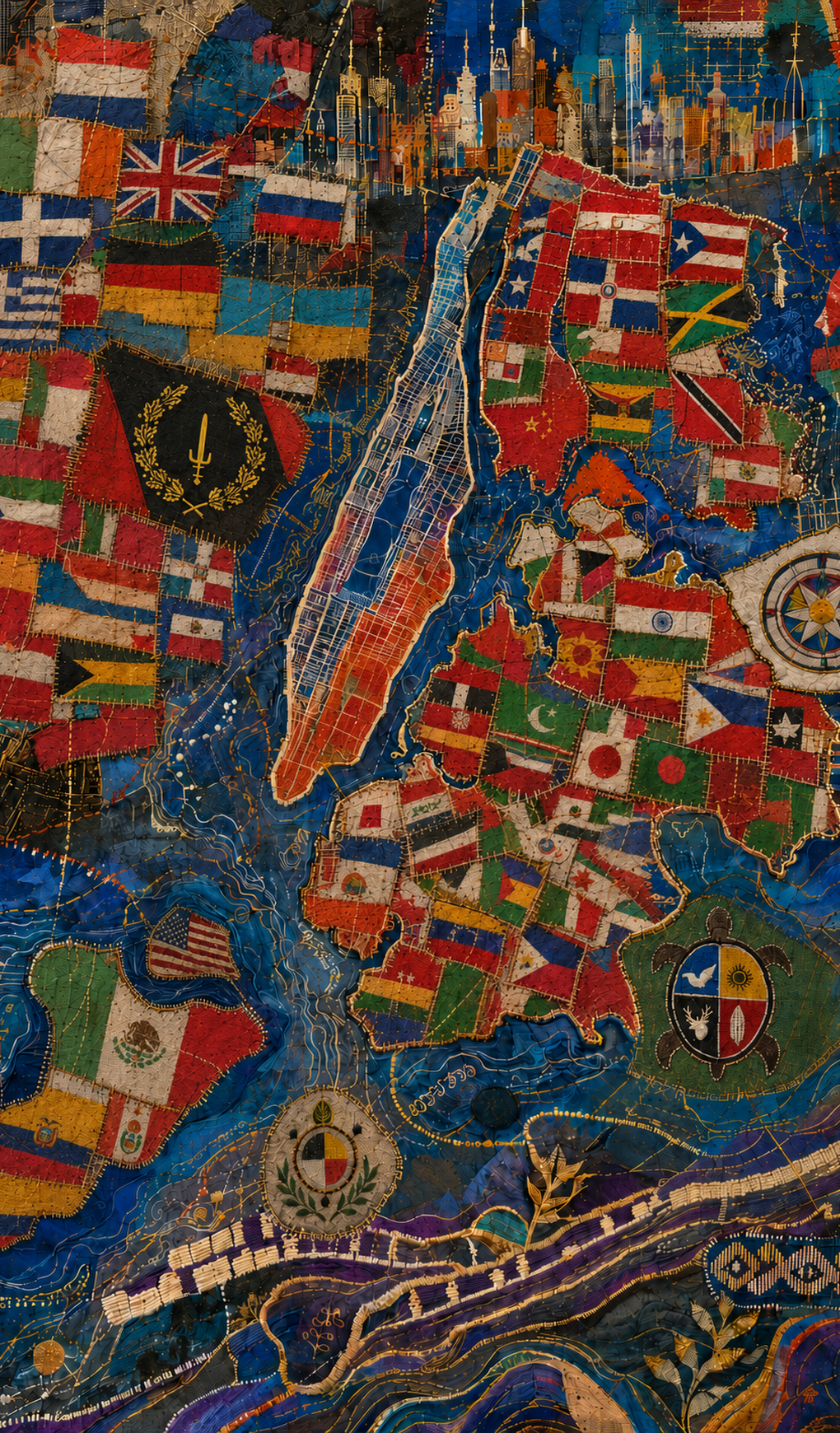
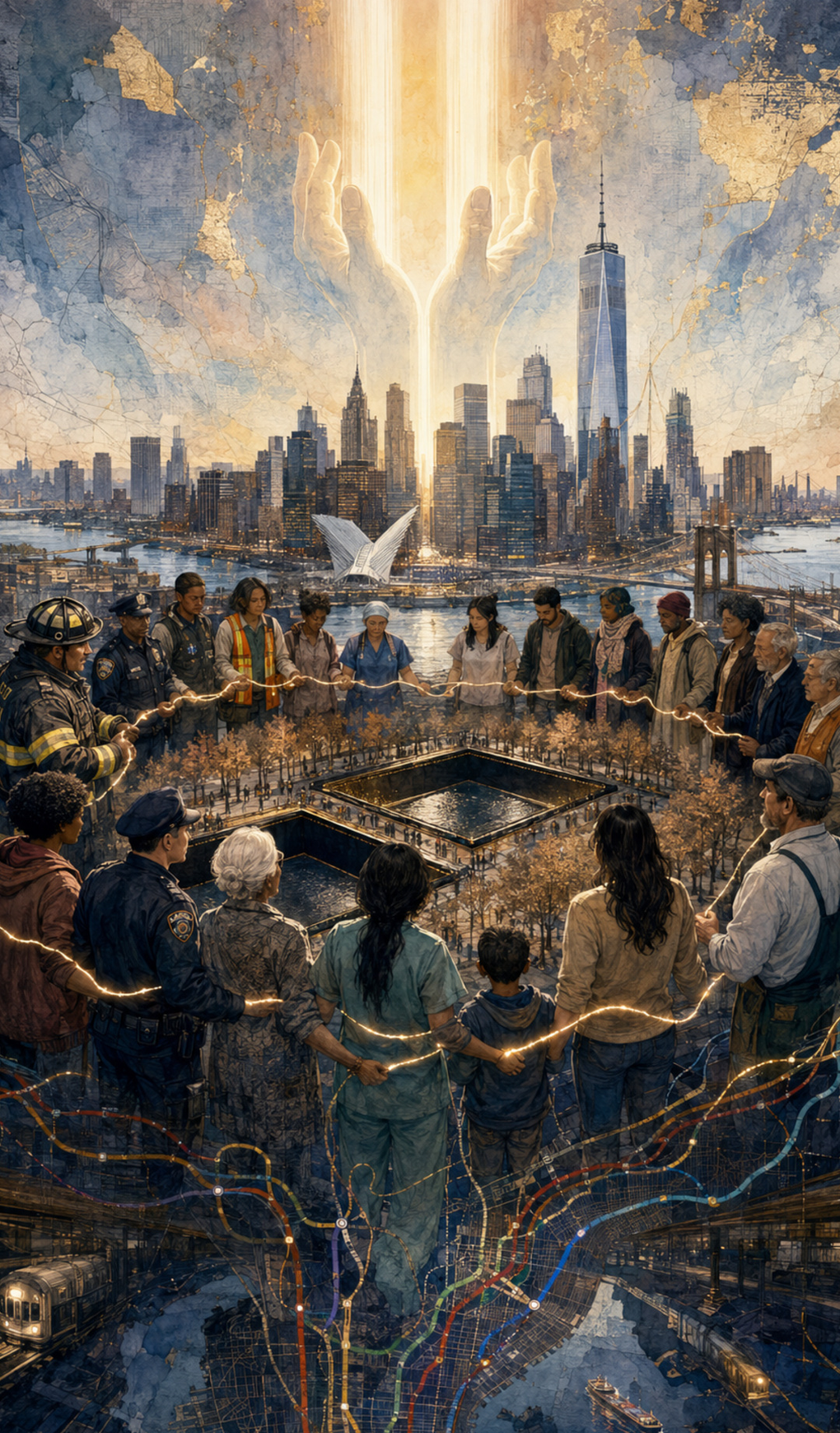
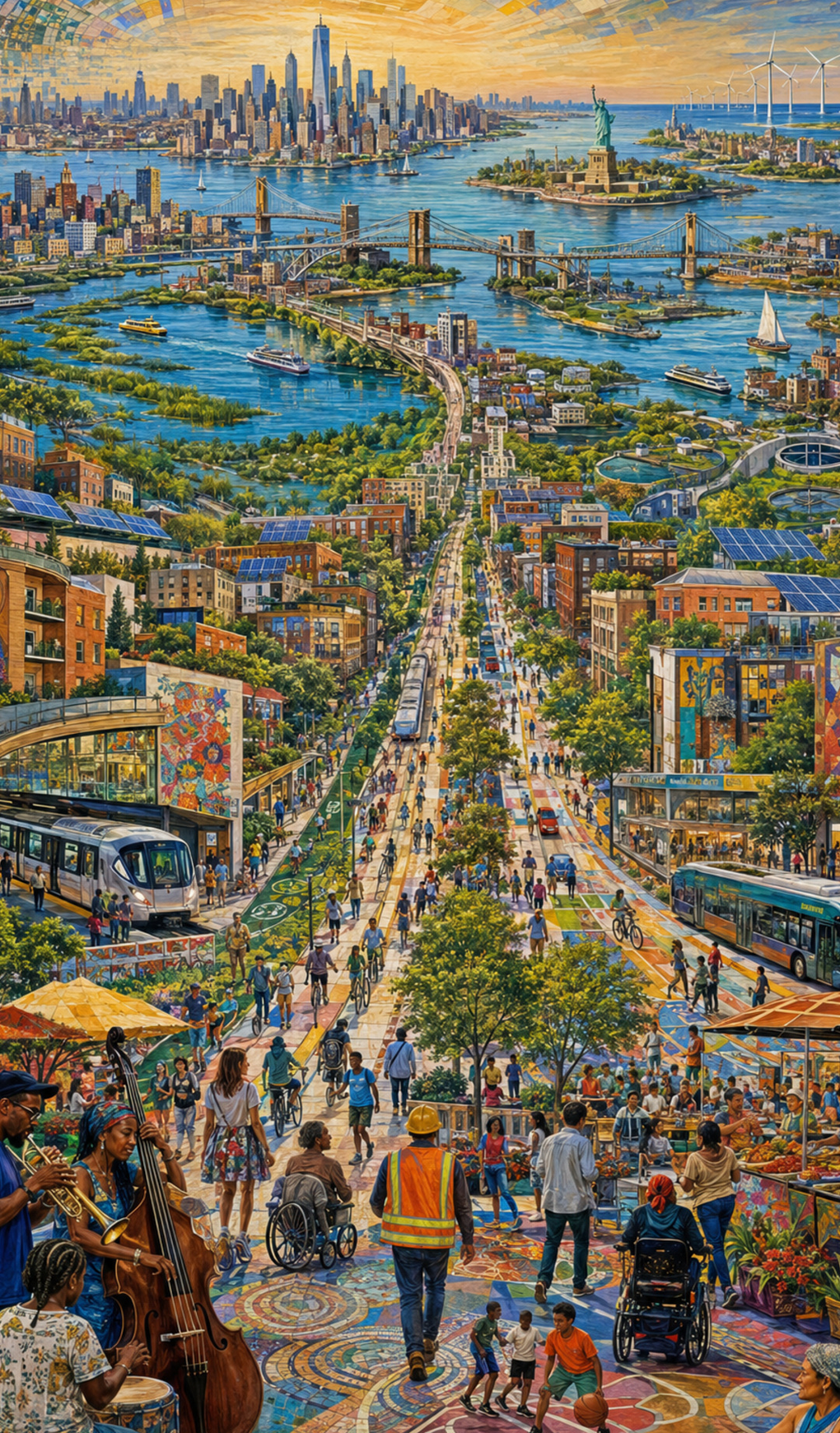
Basquiat's Brother / ZARO develops contemporary works about New York, migration, identity, public memory, and the civic future. The practice moves between public-screen artwork, archival print, woven tapestry, installation studies, and private collector access.
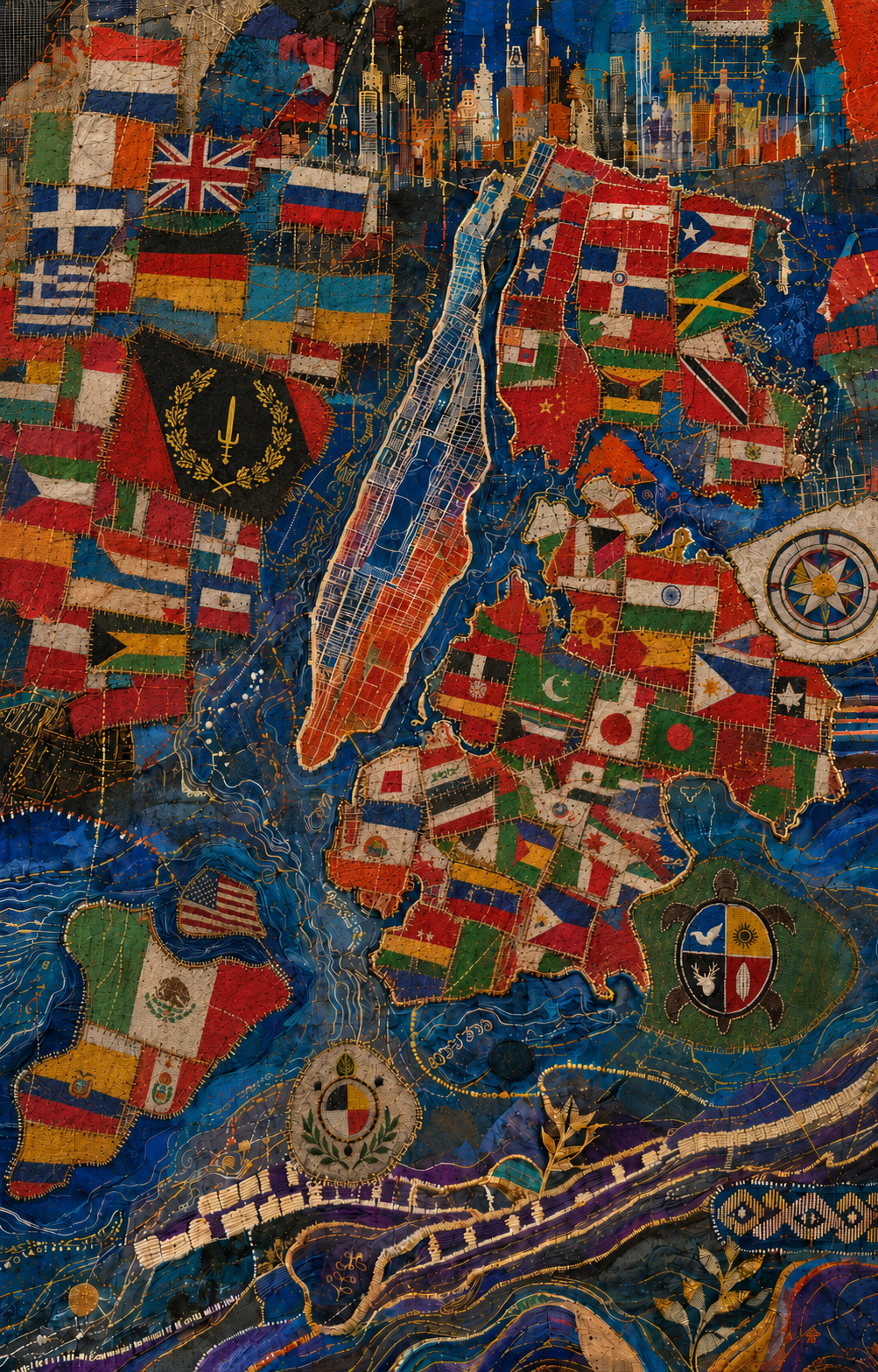
New York was never one story. The work asks who becomes visible when a city finally maps every layer it was built from.
01 Selected Works
02 Private Sales
ZARO works are presented through selected public-facing editions and direct collector inquiry. Available formats include archival prints, framed works, tapestry editions, public display adaptations, and commission discussions where appropriate.
For family offices, advisors, hospitality groups, corporate collections, and private collectors, inquiries can begin with the work, intended site, edition interest, and acquisition timeline.
Collector inquiries03 Artist / Practice
ZARO proposes civic works where rupture is not hidden. Broken lines become routes. Private memories become shared color. Participation is simple enough for a passerby and deep enough for a community workshop.
04 Public Art & Institutions
Every work gives visitors one clear gesture: write, breathe, listen, mend, carry, or return. The audience is not asked to decode the art before entering it.
The visual language turns fracture into color, broken lines into shared routes, and local stories into a public record of care.
Each proposal can begin as a lightweight workshop, temporary wall, or stage-scale installation before expanding into a museum or city-scale commission.
The strongest images are process images: hands making marks, strangers adding color, public space changing over time, and a community visibly leaving the site brighter.
05 Editions
Public-memory art for people who buy wall work, but want something stranger, brighter, more civic, and more culturally specific than generic decor.
06 Studio Studies
Wood installation / America
A participatory wood installation about racism in America, using scorched boards, repaired seams, public testimony, and visitor-marked color to make structural harm physically visible.
Open sampleColor field / healing
A bright communal color work where visitors add one repair line for the world they want to protect, creating a shared field of hope without pretending harm never happened.
Open samplePainting / hidden histories
A layered painting concept for hidden histories around the world, combining erased maps, buried scripts, migration routes, textile memory, and luminous fragments of stories that were almost lost.
Open sampleMajor works in development
Flagship project
A participatory installation where visitors contribute a private word, tone, or breath into a suspended field of light. The room slowly transforms from fracture to resonance as more people participate.
Manifesto
A room can remember people without owning them.
Participation is not spectacle. It is permission to become part of the work.
Repair is a frequency: repeated, shared, imperfect, and stronger when witnessed.
The future will need monuments that listen before they speak.
Wonder is a public resource. It should be distributed with care.
The artist disappears so the visitor can recognize their own authorship.
Archive structure
An unresolved idea with a complete emotional, spatial, and participatory premise.
A location-ready work that can be adapted for museums, public sites, residencies, or talks.
A testable interaction, material behavior, sound logic, light study, or visitor flow.
A rendering or simulation used to imagine scale, atmosphere, behavior, and installation needs.